Professional Drain Cleaning in Mobile, AL & Baldwin County
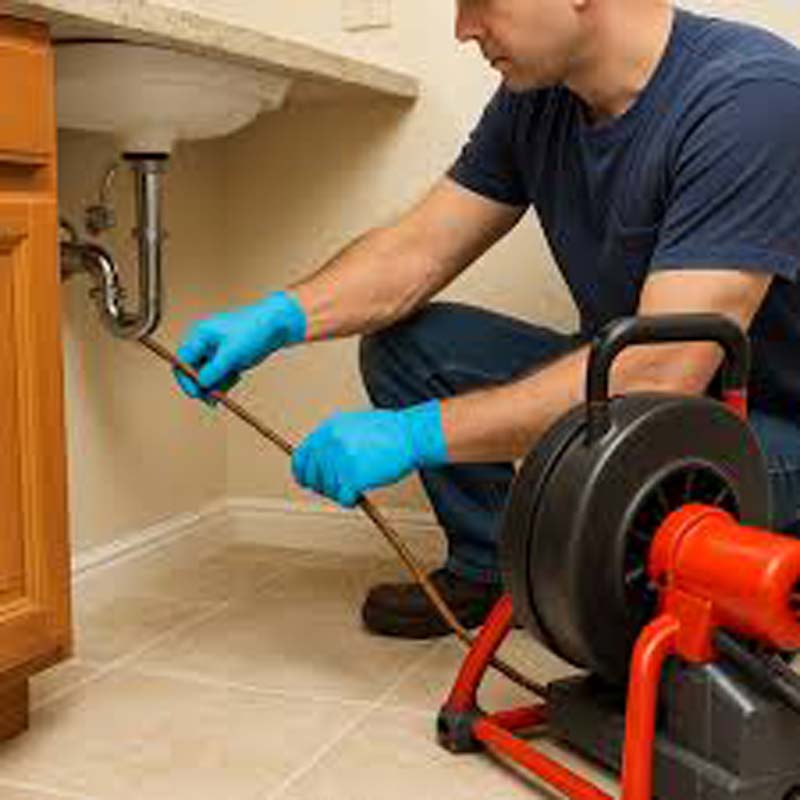
Fast help for slow drains, clogged sinks, sewer backups and recurring plumbing blockages.
When a drain slows down, backs up or starts giving off foul odors, it is usually a sign that something deeper is happening inside the plumbing system. Dyson Plumbing provides professional drain cleaning services for homeowners and businesses throughout Mobile, West Mobile, Midtown Mobile, Spring Hill, Saraland, Semmes, Theodore, Tillman’s Corner, Fairhope, Daphne, Spanish Fort, Foley, Gulf Shores, Orange Beach and surrounding communities across Mobile and Baldwin County.
Our plumbers clear kitchen drains, bathroom drains, laundry drains, floor drains and main sewer line blockages using professional equipment designed to restore flow safely and identify problems before they become larger plumbing emergencies.
Call 251.476.6512 to schedule drain cleaning service.
Dyson Plumbing provides professional drain cleaning in Mobile, AL and Baldwin County, including service for clogged kitchen drains, bathroom drains, laundry drains, floor drains, sewer line backups and recurring drainage problems. Homeowners should call a plumber when drains are slow, gurgling, producing odors, backing up or clogging repeatedly.
Local Drain Cleaning Service Areas
Dyson Plumbing serves drain cleaning customers throughout Mobile County and Baldwin County, including:
- Mobile
- West Mobile
- Midtown Mobile
- Spring Hill
- Old Shell Road
- Downtown Mobile
- Cottage Hill
- Dauphin Street area
- Saraland
- Semmes
- Theodore
- Tillman’s Corner
- Daphne
- Fairhope
- Spanish Fort
- Point Clear
- Foley
- Gulf Shores
- Orange Beach
Drain Problems We Commonly Fix
1. Kitchen Drain Cleaning
Kitchen sink clogs often build up slowly from grease, food debris, soap residue and coffee grounds. If your sink drains slowly, backs up after running the dishwasher or smells unpleasant, professional drain cleaning can help clear the line and reduce the chance of another backup.
2. Bathroom Drain Cleaning
Showers, tubs and bathroom sinks commonly clog from hair, soap scum, toothpaste and personal care products. Dyson Plumbing clears bathroom drain blockages and helps identify whether the issue is isolated to one fixture or connected to a larger plumbing problem.
3. Main Sewer Line Cleaning
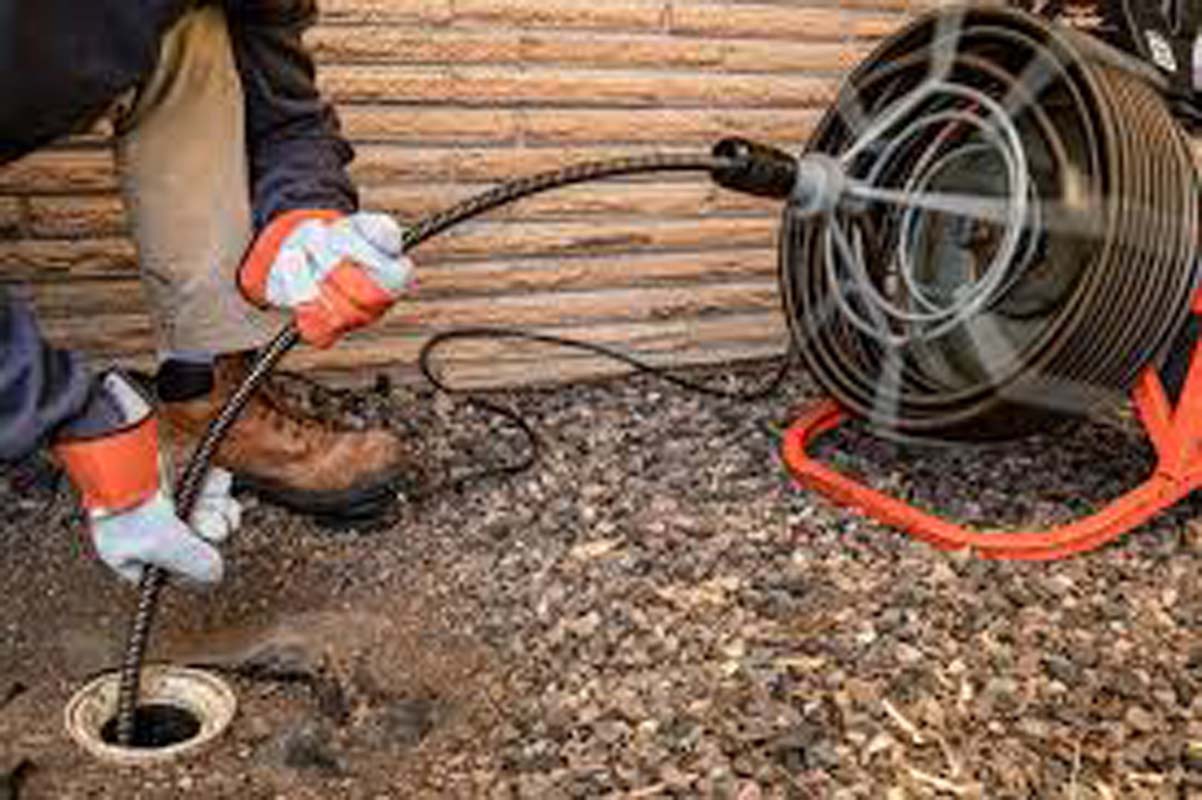
When multiple fixtures are draining slowly or backing up at the same time, the issue may be in the main sewer line. Main line problems can involve heavy buildup, root intrusion, pipe damage or an underground obstruction. These issues should be addressed quickly to help prevent wastewater from backing up into the home or business.
4. Laundry and Utility Drain Cleaning
Laundry drains can collect lint, detergent residue and debris over time. If the washer drain backs up or the utility sink overflows, the line may need professional cleaning.
Signs You Need Professional Drain Cleaning
- Water drains slowly from sinks, tubs or showers.
- The same drain keeps clogging again and again.
- You hear gurgling from drains or toilets.
- Drain odors are coming from the kitchen, bathroom or laundry area.
- Water backs up into tubs, showers, floor drains or sinks.
- More than one fixture is clogged at the same time.
- A toilet bubbles when another fixture is running.
If multiple drains are affected, do not keep flushing toilets or running water. That can make a sewer backup worse. Call a plumber to check whether the blockage is in the main line.
Our Drain Cleaning Process
- Inspect the problem area and ask about symptoms such as slow drains, backups, odors or recurring clogs.
- Determine whether the issue appears to be isolated to one fixture or connected to a larger drain or sewer line problem.
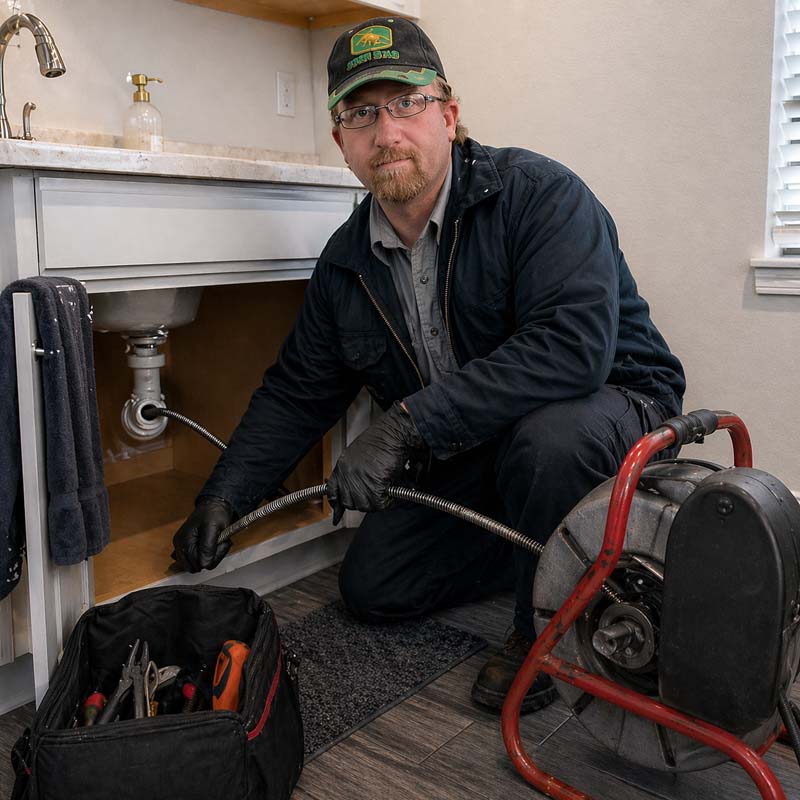
- Use professional drain cleaning equipment such as augers, drain snakes or hydro-jetting when appropriate.
- Test drainage flow before leaving the property.
- Explain what likely caused the blockage and share prevention tips when possible.
Drain Snaking, Hydro-Jetting and Sewer Camera Inspections
Different drain problems require different tools. A localized hair clog may be cleared with an auger, while heavy grease, sludge or root intrusion may require more advanced equipment. For recurring or severe clogs, Dyson Plumbing may recommend further inspection to better understand the condition of the line and identify the cause of the blockage.
Why Choose Dyson Plumbing?
- Mobile’s oldest plumbing company, serving Mobile and Baldwin Counties since 1952.
- Residential and commercial plumbing service.
- Local team familiar with older homes, coastal properties, commercial buildings and growing neighborhoods across Mobile and Baldwin County.
- Clear communication before work begins whenever possible.
- Emergency plumbing availability for urgent drain and sewer backups.
Drain Cleaning FAQ
How do I know if my clog is in the main sewer line?
If several fixtures are backing up at once, or if water appears in a tub, shower or floor drain when another fixture is used, the blockage may be in the main sewer line.
Do you offer emergency drain cleaning?
Yes. Dyson Plumbing offers emergency plumbing service for urgent issues such as sewer backups, overflowing drains and plumbing problems that cannot wait.
Is hydro-jetting safe for older pipes?
Hydro-jetting can be effective, but the condition of the pipe matters. A plumber should evaluate the system before using high-pressure water, especially on older or damaged sewer lines.
Can drain cleaner products damage pipes?
Chemical drain cleaners may not solve deeper blockages and can be harsh on certain plumbing systems. Recurring clogs should be inspected by a professional plumber.
How often should drains be professionally cleaned?
Many homes only need service when a problem appears. Homes with recurring clogs, older sewer lines, heavy kitchen use or previous root problems may benefit from periodic preventative drain cleaning.
Schedule Professional Drain Cleaning Today
If your drains are slow, clogged, gurgling or backing up, contact Dyson Plumbing for professional drain cleaning service in Mobile, AL and Baldwin County.